

The Key Differences Between a Rock and a Mineral
In geology, the terms “rock” and “mineral” are often used interchangeably in everyday language, but they represent two distinct, fundamental concepts. A mineral is a pure, naturally occurring substance with a defined structure and composition, while a rock is a complex mixture of these minerals (or other materials) bound together.
Understanding the differences between a rock and a mineral is not just basic geological science—it is a critical factor that influences everything from mining exploration to the design of material processing production lines.

The Quick Analogy: Ingredients vs. The Final Dish
If you want the simplest way to remember the difference, think of baking.
- A mineral is the ingredient (like flour, sugar, or eggs). It is a single, pure substance.
- A rock is the final baked cake. It is a mixture created by combining various ingredients (minerals) together.
What is a Mineral?
A mineral is a naturally occurring, inorganic solid with a highly ordered internal structure and a specific chemical composition. For a substance to be classified as a mineral by geologists, it must meet five strict criteria:
- 1. Naturally Occurring: It must be formed by natural geological processes, not manufactured in a laboratory.
- 2. Inorganic: It cannot consist of biological matter (e.g., coal is not a true mineral because it comes from organic plant remains).
- 3. Solid: It must maintain a solid state at normal Earth surface temperatures.
- 4. Definite Chemical Composition: It can be expressed by an exact chemical formula. For example, Quartz is always Silicon Dioxide.
- 5. Ordered Crystalline Structure: Its atoms are arranged in a specific, predictable geometric pattern.
Classic Examples of Minerals:
- Quartz: Extremely hard and highly abrasive.
- Feldspar: The most abundant group of minerals in the Earth's crust.
- Mica: Known for its perfect cleavage, allowing it to split into extremely thin, flexible sheets.
What is a Rock? (The Aggregate)
A rock is much less rigidly defined. It is simply a solid, naturally occurring mass or aggregate of one or more minerals (and sometimes non-mineral solid matter).
Because rocks are mixtures, they do not have a specific chemical formula. The physical properties, color, and hardness of a rock depend entirely on the specific types and proportions of the minerals it contains, as well as how it was formed (Igneous, Sedimentary, or Metamorphic).
Classic Examples of Rocks:
- Granite: An igneous rock composed primarily of three minerals: quartz, feldspar, and mica.
- Limestone: A sedimentary rock made mostly of a single mineral: calcite (calcium carbonate).
- Quartzite: A metamorphic rock formed when quartz-rich sandstone is subjected to extreme heat and pressure.
Summary Table: Rock vs. Mineral
| Feature | Mineral | Rock |
|---|---|---|
| Definition | A naturally occurring, inorganic solid with a specific chemical formula. | A solid aggregate composed of one or more minerals. |
| Chemical Composition | Exact and consistent (e.g., NaCl for Halite). | Variable; no exact chemical formula. |
| Structure | Ordered internal crystalline structure. | No specific crystal structure as a whole; it is a mixture. |
| Color & Appearance | Usually consistent based on its chemical makeup. | Highly variable, often speckled or banded depending on the mineral mix. |
| Examples | Quartz, Feldspar, Gold, Diamond, Calcite. | Granite, Basalt, Sandstone, Marble. |
Why This Difference Matters in Material Processing
In the aggregate and mining industry, knowing the mineral composition of a rock is essential for success. The minerals inside the rock dictate its hardness (compressive strength) and abrasiveness, which directly impact how the rock must be processed.
For instance, a rock that contains a high percentage of quartz will be incredibly abrasive. If an aggregate producer attempts to crush this quartz-rich rock with the wrong machinery, the internal wear parts will degrade rapidly, leading to skyrocketing maintenance costs and operational downtime.
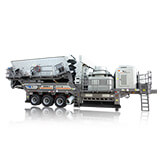
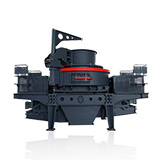
This is why ZENITH’s material processing production lines are designed with adaptability in mind. By analyzing the specific mineral makeup and hardness of the rock at your site, operators can configure the ideal crushing circuit. For hard and highly abrasive rocks (like granite or quartzite), deploying heavy-duty Jaw Crushers for primary reduction, followed by robust Cone Crushers for secondary stages, ensures optimal efficiency.
By understanding the science of the stone, and pairing it with ZENITH's tailored, high-performance crushing solutions, producers can minimize equipment wear, maximize output, and secure a higher return on investment.
Frequently Asked Questions (FAQs)
Q: What is the main difference between a rock and a mineral?
A: The primary difference is that a mineral is a naturally occurring inorganic substance with a definite chemical composition and crystalline structure, while a rock is an aggregate of one or more minerals.
Q: Is coal considered a rock or a mineral?
A: Coal is considered a sedimentary rock, but it is not a mineral. This is a common point of confusion! According to geological definitions, a mineral must be inorganic. Because coal is formed from the organic remains of ancient plants and vegetation, it fails the "inorganic" test, disqualifying it from being a mineral.
Q: Can a rock be composed of only one single mineral?
A: Yes! While most rocks (like granite) are complex mixtures of several different minerals, some rocks are monolithic, meaning they consist almost entirely of a single mineral. A classic example is limestone, which is primarily composed of the mineral calcite.