

What is the Price Range for a Mobile Crusher in Kenya?
Mobile crushers have gained immense popularity across Kenya due to their flexibility, cost-effectiveness, and ease of deployment in remote or rugged locations. Kenya’s growing infrastructure and mining sectors make mobile crushers an indispensable investment for contractors and miners.
The price of a mobile crusher in Kenya varies dramatically based on equipment specifications, brand, and configuration, typically ranging from USD 40,000 to over USD 500,000. For small to medium-scale operations common in Kenya's quarrying and construction sectors, the most common investment falls within USD 120,000 to USD 250,000 for a fully functional unit.

What is a Mobile Crusher?
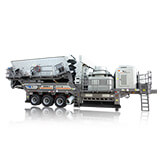
Mobile crusher is portable crushing machines mounted on crawler tracks or wheeled chassis, designed to move easily from one site to another. Unlike fixed crushers, mobile crushers eliminate the need for transporting raw materials over long distances, reducing operational costs and enhancing job site efficiency.
Common types of mobile crushers include:
- Mobile jaw crushers (primary crushing)
- Mobile cone crushers (secondary/tertiary crushing)
- Mobile impact crushers (aggregate shaping, demolition material processing)
Demand for Mobile Crushers in Kenya
Kenya’s expanding infrastructure sector and growing mining activities create a strong, sustained demand for mobile crushers. Key drivers include:
- Road construction projects in Nairobi, Mombasa, Kisumu, and other urban areas
- Mining operations for gold, titanium, gemstones, and construction aggregates
- Quarrying businesses supplying raw materials for construction
- Rapid urbanization and real estate development increasing aggregate consumption
Compared to fixed crushing plants, mobile crushers offer operational agility—ideal for remote locations in counties like Turkana, Kitui, and Marsabit, where transport infrastructure can be challenging.
Current Price Range of Mobile Crushers in Kenya
Mobile crusher prices in Kenya vary widely based on equipment capacity, configuration, brand reputation, and after-sales support. The market can be broadly segmented into three categories, catering to different operator needs and budget constraints:
1. Small-Scale Mobile Crushers (10–50 TPH)
Designed for artisanal miners, small quarries, and local construction contractors, these compact mobile crushers are ideal for processing gold ore, limestone, and small batches of construction aggregates. They typically feature a single crushing stage (often a jaw crusher or impact crusher) and a basic screening system, with wheeled chassis for easy towing between small-scale mining sites or rural construction projects.
Price Range: $40,000–$130,000
Key Features: Simple operation, low fuel consumption, minimal maintenance requirements, and compatibility with Kenya’s rural road network. These models are popular among small-scale gold miners in Western Kenya and local contractors working on village road projects in the Rift Valley.
Notable Use Case: A 30 TPH wheeled mobile jaw crusher is a top choice for small limestone quarries near Nakuru, supplying aggregates to local housing projects. Its low upfront cost and ability to process ore directly at the quarry site cut transportation costs by up to 40% compared to fixed crushing plants.
2. Medium-Scale Mobile Crushers (50–200 TPH)
The most sought-after segment in Kenya’s market, medium-scale mobile crushers cater to mid-sized quarries, regional construction companies, and mineral processing firms. These units are highly versatile, offering configurable crushing stages (e.g., jaw + cone or jaw + impact) and integrated screening systems to produce multiple aggregate sizes in a single pass. They are equipped with either wheeled or crawler chassis—crawler models being preferred for navigating Kenya’s rugged terrain, such as the rocky landscapes of Tigray border regions or the muddy conditions of coastal quarries.
Price Range: $130,000 - $220,000
Key Features: High throughput efficiency, durable wear parts, advanced dust suppression systems to meet Kenya’s environmental regulations, and the ability to switch between materials (e.g., granite, basalt, construction waste) with minimal adjustments. These crushers are widely used for road construction projects in the Rift Valley and for processing tantalum ore in remote mining sites.
Notable Use Case: A 150 TPH crawler-mounted mobile cone crusher is a staple for mid-sized quarries near Mombasa, producing high-grade aggregates for the ongoing expansion of the Mombasa-Nairobi Standard Gauge Railway. Its crawler chassis allows it to operate on uneven ground, while its integrated screening system eliminates the need for separate screening equipment, reducing operational costs.
3. Large-Scale Mobile Crushers (200+ TPH)
Tailored for large-scale mining operations, national infrastructure projects, and export-oriented aggregate producers, these heavy-duty mobile crushers are engineered to handle high volumes of hard, abrasive materials such as granite, iron ore, and basalt. They feature multi-stage crushing systems, advanced automation (including remote monitoring and load-sensing technology), and robust crawler chassis designed to withstand Kenya’s harshest operating conditions—from the arid deserts of Northern Kenya to the humid coastal regions.
Price Range: $220,000–$500,000+
Key Features: Ultra-high throughput, energy-efficient engines, automated maintenance alerts, and compliance with international quality standards (e.g., ISO 9001). These models are typically purchased by large construction firms working on government projects, such as the Nairobi Expressway expansion, or by international mining companies operating in Kenya’s mineral-rich western regions.
Notable Use Case: A 300 TPH mobile crushing and screening plant is deployed at a large granite quarry near Eldoret, supplying aggregates to major construction projects across Western Kenya. Its automated control system reduces labor costs by 25%, while its large fuel tank allows for 24/7 operation—critical for meeting tight project deadlines.

Key Factors Influencing Mobile Crusher Prices in Kenya
The price of a mobile crusher in Kenya is not a one-size-fits-all figure; it is shaped by a combination of technical, market, and logistical factors. Understanding these variables helps operators align their investment with their specific operational needs:
1. Equipment Capacity and Configuration
The most significant cost driver is the crusher’s throughput capacity (measured in tons per hour, TPH) and its configuration. A single-stage mobile jaw crusher with basic screening will cost significantly less than a multi-stage plant with jaw, cone, and impact crushers, plus multiple screening decks. For example, a 50 TPH single-stage mobile jaw crusher may cost $40,000, while a 50 TPH multi-stage plant with integrated screening and conveying systems can cost upwards of $80,000.
Additionally, the type of chassis (wheeled vs. crawler) impacts pricing. Crawler chassis, which offer superior mobility on rough terrain, are typically 20–30% more expensive than wheeled models of the same capacity. This premium is justified for operators working in remote mining sites where access is limited, as crawler crushers eliminate the need for costly site preparation.
2. Brand Reputation and Quality
Brand reputation plays a critical role in pricing. Established international brands with a track record of reliability and durability command higher prices, while lesser-known local or regional brands offer lower upfront costs but may compromise on quality and after-sales support. In Kenya, global manufacturers like Shanghai ZENITH are preferred for their robust build quality, long service life, and comprehensive local support—factors that justify their premium pricing.
For example, a ZENITH 100 TPH mobile crusher offers longer wear part life, lower maintenance costs, and access to local spare parts warehouses—reducing downtime and maximizing long-term ROI.
3. After-Sales Support and Local Services
In Kenya’s market, after-sales support is a non-negotiable factor that directly impacts pricing. Crushers sold with comprehensive local support—including on-site installation, operator training, spare parts supply, and technical maintenance—are priced higher than those sold without these services. For operators in remote areas, this support is invaluable: a delay in spare parts delivery can shut down operations for weeks, resulting in significant revenue losses.
4. Import Duties and Logistics Costs
Kenya imposes import duties on heavy machinery, including mobile crushers, which can add 10–25% to the total cost of the equipment. The exact duty rate depends on the crusher’s origin, with machinery imported from countries with which Kenya has trade agreements (e.g., COMESA member states) qualifying for reduced duties. Additionally, logistics costs—including shipping, inland transportation, and port handling fees—can add 5–10% to the final price, especially for large-scale crushers that require specialized transport.
5. Environmental Compliance Features
Kenya’s environmental regulations have become increasingly strict in recent years, with the government imposing limits on dust and noise emissions from mining and construction activities. Mobile crushers equipped with advanced environmental features—such as baghouse dust collectors, water spray systems, and noise-reducing engine enclosures—are priced higher than those without these features. However, these investments are critical for avoiding costly fines and ensuring compliance with local laws.
For example, a mobile crusher with a integrated dust suppression system may cost 10% more than a standard model, but it allows operators to work in urban areas or near residential communities without violating environmental regulations—opening up new market opportunities.
Why Investing in a Mobile Crusher Makes Sense for Kenyan Operators?
While the upfront cost of a mobile crusher may seem substantial, the long-term benefits far outweigh the investment—especially in Kenya’s unique operational environment:
1. Elimination of Raw Material Transportation Costs
Transporting raw ore or rock from a remote mining site to a fixed crushing plant is one of the biggest expenses for Kenyan operators. Mobile crushers process materials directly at the site, eliminating the need for costly trucking. For example, a small-scale gold miner in Western Kenya can reduce transportation costs by up to 60% by using a mobile crusher, turning a previously unprofitable mine into a viable business.
2. Flexibility to Serve Multiple Sites
Kenya’s mineral deposits and construction projects are often scattered across vast areas. Mobile crushers can be relocated quickly—typically within 2–3 days—allowing operators to serve multiple sites with a single piece of equipment. This flexibility is particularly valuable for construction companies working on road projects, which require aggregates at multiple locations along the route.
3. Reduced Site Preparation Costs
Fixed crushing plants require extensive site preparation, including the construction of concrete foundations, access roads, and storage facilities—costs that can run into tens of thousands of dollars. Mobile crushers require minimal site preparation, as they can operate on uneven ground without a dedicated foundation. This is a game-changer for operators in remote areas, where site preparation is logistically challenging and expensive.
4. Compliance with Environmental Regulations
As mentioned earlier, mobile crushers equipped with environmental features help operators avoid fines and maintain a positive corporate image. In Kenya, companies that demonstrate environmental responsibility are more likely to win government contracts—a key advantage in a market dominated by public infrastructure projects.
Choosing the Right Mobile Crusher: Tips for Kenyan Operators
To ensure that you get the best value for your investment, consider the following tips when selecting a mobile crusher in Kenya:
- Assess Your Operational Needs: Determine your required throughput capacity, the type of materials you will process, and the locations where you will operate. A small-scale gold miner will need a different crusher than a large construction firm working on the Nairobi Expressway.
- Prioritize Local Support: Choose a manufacturer with a local presence in Kenya, such as ZENITH, which offers on-site installation, operator training, and spare parts supply. This will minimize downtime and ensure that your equipment is always running at peak efficiency.
- Consider Total Cost of Ownership (TCO): Don’t focus solely on the upfront price; factor in long-term costs such as maintenance, wear parts replacement, and fuel consumption. A crusher with a higher upfront price but lower TCO will deliver better ROI over time.
- Evaluate Environmental Compliance: Ensure that the crusher meets Kenya’s environmental regulations, especially if you plan to operate in urban or residential areas. This will help you avoid fines and expand your market reach.
For Kenyan operators, the key to success is to align their investment with their specific operational needs, prioritizing total cost of ownership over upfront price. By choosing a reliable manufacturer with comprehensive local support, operators can maximize their ROI, reduce downtime, and capitalize on the opportunities presented by Kenya’s booming mining and construction sectors.
Choose ZENITH: Your Trusted Partner for Mobile Crushers in Kenya
As a leading global manufacturer of crushing and grinding equipment with over 30 years of experience, Shanghai ZENITH has established a strong presence in Kenya’s market, providing tailored mobile crusher solutions to operators across the country. Our mobile crusher series—ranging from compact 10 TPH wheeled models to heavy-duty 300 TPH crawler plants—are engineered to withstand Kenya’s harsh operating conditions, from the rugged terrain of the Rift Valley to the remote mining sites of Western Kenya.
ZENITH mobile crushers are designed with Kenyan operators in mind: they feature wear-resistant components to handle hard materials like granite and basalt, advanced dust suppression systems to meet local environmental regulations, and intuitive control systems that are easy to learn—even for operators with limited technical experience. What sets ZENITH apart is our unwavering commitment to local service excellence: we offer on-site installation and operator training, and provide 24/7 technical support to ensure minimal downtime for our clients. Whether you are a small-scale artisanal miner, a mid-sized quarry owner, or a large construction firm, ZENITH has the right mobile crusher to power your success in Kenya’s dynamic market.