

How Much Does a Complete Aggregate Production Line Cost?
A complete aggregate production line typically costs between $100,000 and more than $5 million, depending on production capacity, equipment configuration, raw material characteristics, automation level, and project requirements.
For small-scale aggregate plants producing around 50–100 tons per hour (TPH), the investment may start from approximately $100,000–$500,000. Medium-sized production lines with capacities of 200–500 TPH usually require $500,000–$2 million, while large-scale plants exceeding 1,000 TPH can cost $3 million or more.
The total cost includes crushing and screening equipment as well as auxiliary systems such as feeding, conveying, dust suppression, electrical control, installation, and civil construction.

Average Cost Range of a Complete Aggregate Production Line
The investment cost of an aggregate production line mainly depends on production capacity and equipment configuration.
| Production Capacity | Typical Application | Estimated Investment Cost |
|---|---|---|
| 50–100 TPH | Small quarry, construction materials supply | $100,000–$500,000 |
| 100–300 TPH | Medium-sized aggregate plant | $300,000–$1.5 million |
| 300–500 TPH | Commercial quarry operations | $1–2.5 million |
| 500–1,000 TPH | Large mining and infrastructure projects | $2–5 million |
| Above 1,000 TPH | Large-scale industrial production | $5 million+ |
These figures are general estimates. The final quotation depends on rock hardness, final product size, equipment brand, and site conditions.
What Equipment is Used for an Aggregate Production Line?
1. Feeding System
The feeding system transfers raw materials from the quarry or stockpile into the crushing process.
- Vibrating feeders
- Hopper systems
- Apron feeders for large rocks
2. Primary Crushing Equipment
The primary crusher reduces large rocks into smaller pieces for further processing.
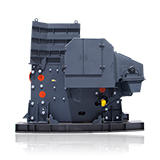
- Jaw crushers
- Gyratory crushers
- Heavy-duty impact crushers
For hard materials such as granite and basalt, jaw crushers and gyratory crushers are commonly used because of their high crushing strength.
3. Secondary and Tertiary Crushing Equipment
Secondary and tertiary crushers further reduce material size and improve aggregate shape.
- Cone crushers
- Impact crushers
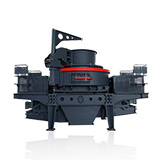
- Vertical shaft impact crushers (VSI)
4. Screening and Classification System
Screening equipment separates crushed materials into different sizes.
- Vibrating screens
- Inclined screens
- Horizontal screens
Common final products include:
- 0–5 mm manufactured sand
- 5–10 mm gravel
- 10–20 mm crushed stone
- 20–40 mm aggregate
5. Conveying and Material Handling System
Belt conveyors connect different production stages and ensure continuous material transportation.
- Belt conveyors
- Transfer points
- Stockpile conveyors
Main Factors Affecting Aggregate Production Line Cost
1. Production Capacity
Production capacity is one of the most important factors affecting investment cost.
- Larger crushers are required for higher output.
- More screening stages may be needed.
- Longer conveyor systems increase infrastructure costs.
- Power consumption increases with capacity.
2. Raw Material Characteristics
The type and hardness of raw materials directly influence equipment selection.
- Limestone: Easier to crush and requires lower energy consumption.
- Granite and basalt: Harder materials requiring stronger crushers.
- River stone: Often requires shaping equipment for better particle shape.
3. Finished Product Requirements
Different applications require different aggregate qualities.
- Road construction aggregates
- Concrete aggregates
- Manufactured sand
- High-quality railway ballast
4. Stationary vs Mobile Aggregate Production Line
Stationary Aggregate Production Line
Typical investment: $500,000–$5 million+
Advantages:
- Higher production capacity
- Longer service life
- Lower cost per ton for large projects
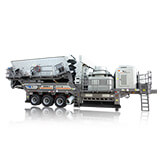
Mobile Aggregate Production Line
Typical investment: $200,000–$2 million
Advantages:
- Easy relocation
- Fast installation
- Lower infrastructure requirements
Additional Costs to Consider
Site Preparation and Civil Engineering
- Foundation construction
- Equipment platforms
- Drainage systems
- Site leveling
Installation and Commissioning
Professional installation ensures correct equipment alignment, stable operation, and reduced downtime.
Electrical and Automation Systems
Modern aggregate plants may include PLC control systems, centralized monitoring, and automated production management.
Dust and Noise Control Systems
- Dust collectors
- Water spraying systems
- Enclosed conveyors
- Noise reduction systems
How to Reduce the Cost of an Aggregate Production Line?
1. Select Equipment Based on Actual Requirements
Avoid unnecessary over-design. Choosing equipment according to real production targets helps reduce capital investment.
2. Optimize the Production Process
A well-designed crushing flow can reduce equipment quantity, energy consumption, and maintenance costs.
3. Consider Mobile or Modular Solutions
Mobile crushing plants can reduce construction costs and installation time for temporary projects.
4. Work With an Experienced Manufacturer
A professional supplier can provide process design, equipment selection, installation guidance, and after-sales support.
Example Investment Scenarios
100 TPH Aggregate Plant
- Vibrating feeder
- Jaw crusher
- Cone crusher
- Vibrating screen
- Belt conveyors
Estimated cost: $200,000–$500,000
300–500 TPH Aggregate Plant
- Heavy-duty feeder
- Primary jaw crusher
- Secondary cone crusher
- Multiple vibrating screens
- Complete conveyor system
Estimated cost: $800,000–$2 million
1,000 TPH+ Large Quarry Plant
- Large primary crusher
- Multiple crushing stages
- Advanced screening system
- Automatic control system
Estimated cost: $3 million–$5 million+
Conclusion: What Is the Real Cost of an Aggregate Production Line?
The cost of a complete aggregate production line depends mainly on production capacity, equipment configuration, raw material type, and automation requirements.
- Small plants: $100,000–$500,000
- Medium plants: $500,000–$2 million
- Large plants: $2 million–$5 million+
Before investing, companies should evaluate:
- Required production capacity (TPH)
- Raw material type and hardness
- Required final product sizes
- Site conditions
- Automation level
A properly designed aggregate production line can improve productivity, reduce operating costs, and provide long-term value for quarry and mining businesses.
Frequently Asked Questions (FAQs)
How much does a 100 TPH aggregate production line cost?
A 100 TPH aggregate production line typically costs between $200,000 and $500,000. A standard configuration usually includes:vibrating feeder, jaw crusher, cone crusher or impact crusher, vibrating screen, belt conveyors, electrical control system. The exact price depends on the rock type and final product requirements.
How much does a 500 TPH crushing plant cost?
A 500 TPH aggregate crushing plant generally requires an investment of approximately $1 million–$3 million. Large capacity plants require larger machines and more complex infrastructure.
What equipment is required for an aggregate production line?
A complete aggregate production line normally includes:feeding equipment, primary crushing equipment, secondary and tertiary crushers, screening equipment, belt conveyors, dust control systems, electrical control systems. Additional equipment such as sand-making machines and washing systems may be added depending on product requirements.
Can an aggregate production line produce manufactured sand?
Many aggregate production lines can be designed to produce manufactured sand by adding: VSI sand-making machines, fine crushing equipment, air classifiers, sand washing systems. Manufactured sand is widely used in concrete production and construction projects.
Are mobile crushers more cost-effective than stationary plants?
It depends on the lifespan and location of your project. The initial purchase price (CAPEX) of a track-mounted mobile crusher is usually 30% to 50% higher than a stationary unit of the same capacity. However, mobile crushers do not require expensive concrete foundations, and they drastically reduce material hauling costs because they can move directly to the rock face. For short-term projects (under 3 years) or multi-site contracting, mobile crushers are far more cost-effective.