

How to Setup a Gold Processing Plant in Zimbabwe
Gold mining is a cornerstone of Zimbabwe's economy, with artisanal and small-scale miners (ASM) producing more than 60% of the nation's total gold output. From the gold-rich greenstone belts of Kadoma and Kwekwe to Gwanda and Bindura, establishing an independent custom milling center or small processing site presents a compelling commercial opportunity.
However, setting up a successful processing plant requires transitioning from inefficient traditional methods to modern, high-recovery crushing and grinding circuits. This practical guide walks you through the essential steps, machinery selection, infrastructure setup, and compliance requirements to launch a high-yield small-scale gold processing plant in Zimbabwe.

Step 1: Understand Your Ore and Processing Capacity
The vast majority of gold reserves in Zimbabwe occur in hard-rock quartz veins and greenstone formations. Before purchasing processing machinery, it is critical to determine your target daily processing capacity and ore characteristics:
- Capacity Sizing: Small-scale plants in Zimbabwe typically range from 2 TPH to 20 TPH (Tons Per Hour), or roughly 20 to 200 tons per day.
- Free Gold vs. Refractory Ore: Most shallow hard-rock deposits in Zimbabwe contain free-milling gold, which can be efficiently recovered via gravity separation without complex chemical leaching.
Step 2: Upgrade from Stamp Mills to Modern Ball Mill Circuits
For decades, small-scale miners in Zimbabwe relied heavily on traditional stamp mills. However, stamp mills are noisy, labor-intensive, and yield poor gold recovery rates (often below 40–50%).
Modern small-scale processing plants achieve recovery rates exceeding 80–85% by adopting a two-stage Jaw Crusher + Ball Mill + Gravity Concentrator circuit:
- Jaw Crusher (Primary Size Reduction): Reduces large run-of-mine quartz rocks (up to 200–300 mm) down to manageable 20–40 mm feed sizes.
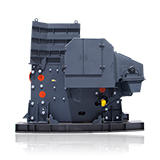
- Fine Crusher / Hammer Mill (Secondary Reduction): Further reduces feed size to under 10 mm to optimize ball mill grinding efficiency.
- Ball Mill (Fine Grinding & Liberation): Grinds crushed rock with steel balls into fine slurry (mesh 100–200), fully liberating microscopic gold particles trapped inside quartz matrixes.
- Centrifugal Concentrator & Shaking Table (Gravity Recovery): Uses high centrifugal forces to separate heavy gold particles from lighter gangue without chemical pollution.
Step 3: Equipment Checklist for a 5–10 TPH Gold Plant
A reliable 5–10 TPH small-scale gold crushing and gravity recovery line in Zimbabwe typically includes the following core machinery setup:
| Equipment Type | Recommended Specification | Primary Function |
|---|---|---|
| Primary Jaw Crusher | PE-150x750 or PE-250x400 | Coarse crushing of hard quartz ore |
| Fine Crusher / Hammer Crusher | PEX-150x750 or PC-400x600 | Secondary crushing before ball mill feed |
| Ball Mill | 1200x2400 mm or 1500x3000 mm | Fine wet grinding to liberate gold |
| Spiral Classifier / Hydrocyclone | FG-1000 or Cyclone Pack | Closed-circuit particle size classification |
| Centrifugal Gold Concentrator | STLB30 or STLB60 | High-gravity recovery of fine free gold |
| Shaking Table | 6-S Shaking Table | Final concentrate dressing before smelting |
Step 4: Plan Site Infrastructure, Power, and Water Supply
Operating a crushing plant in remote Zimbabwean mining districts requires securing reliable site utilities:
- Power Supply: Due to potential load-shedding from the national grid (ZETDC), installing an industrial diesel generator set (100–250 kVA) or a dual-power hybrid setup is vital for uninterrupted continuous crushing.
- Water Management: Wet grinding and gravity concentration require steady water supply. Constructing settling ponds or installing slurry pumps allows process water to recycle, reducing environmental impact and water costs.
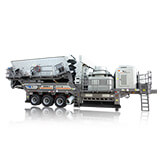
- Skid-Mounted / Semi-Mobile Design: To reduce expensive concrete civil foundation works, choose modular semi-mobile skid-mounted structures. This allows fast assembly and easy relocation if processing shifts to another mining concession.
Step 5: Logistics, Importation, and Licensing in Zimbabwe
Setting up your plant legally and smoothly requires navigating cross-border logistics and local compliance:
- Import Transit Routes: As a landlocked country, equipment shipped to Zimbabwe usually lands at the Port of Beira (Mozambique) or Port of Durban (South Africa), followed by overland trucking to Harare, Bulawayo, or Gwanda.
- Customs Clearance & Tariff Exemptions: Capital mining equipment often qualifies for favorable import tariff concessions under Zimbabwean mining development frameworks. Working with experienced clearing agents expedites customs clearance.
- Licensing & Compliance: Ensure you secure a valid Custom Milling License or operating permit from the Ministry of Mines and Mining Development, obtain Environmental Management Agency (EMA) clearance, and sell recovered gold legally through Fidelity Gold Refinery (FGR).
Conclusion
Starting a small-scale gold processing plant in Zimbabwe offers exceptional commercial returns when equipped with modern, durable machinery. By replacing outdated stamp mills with high-efficiency crushing, ball mill grinding, and gravity recovery circuits, mine owners can maximize gold recovery rates and dramatically shorten payback periods.
Ready to Build Your Gold Processing Plant in Zimbabwe?
Whether you need a compact 5 TPH Skid-Mounted Ball Mill Line, a high-capacity Jaw & Cone Crushing Unit, or a complete modular Gold Gravity Recovery Plant, SBM's experienced mining engineers are ready to support your project.
Contact our engineering specialists today to get a free, custom-designed flowsheet and factory-direct equipment quotation tailored to your ore grade and target capacity.