

6 Key Factors Influencing Crusher Price & ROI
In the global mining and aggregate industry, purchasing a rock crusher is one of the most significant capital investments a company will make. However, the true cost of a crusher is not just the figure on the initial quotation—it is a combination of the purchase price, operational efficiency, and long-term maintenance. Understanding the variables that drive the price of premium equipment is essential for making a data-driven decision that ensures a high Return on Investment (ROI).
This guide breaks down the primary drivers of crusher pricing and provides actionable strategies to lower your total cost of ownership without compromising on quality.

1. Crusher Type and Size
The fundamental driver of price is the type and size of crusher. Larger machines with higher throughput capacities require more material, more complex manufacturing, and larger motors—all of which increase cost. A primary jaw crusher capable of handling 1,200 mm feed will naturally cost more than a small secondary cone crusher.
Different crusher types also carry different price baselines:
- Jaw crushers: $30,000 – $500,000+ depending on size
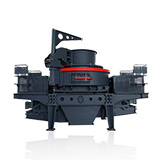
- Cone crushers: $50,000 - $1,000,000+ for large mining models
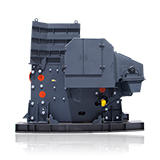
- Impact crushers: $50,000 - $500,000+ depending on configuration
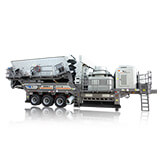
- Mobile plants: $150,000 - $1,000,000+ for complete trains
The key is matching machine size to your actual production requirements—neither undersizing (which creates bottlenecks) nor oversizing (which wastes capital).
2. Technology and Automation Level
Modern ZENITH crushers incorporate advanced features that add value but also influence the price:
- PLC control systems for real-time monitoring add 10–20% to equipment cost but reduce operator requirements and optimize performance.
- Hydraulic adjustment systems enable rapid CSS (Closed Side Setting) changes without manual intervention.
-
Automation packages with remote monitoring capabilities.
The HPT series cone crushers, for example, include intelligent PLC systems that monitor oil temperature, pressure, and motor load in real-time—features that justify a premium price through improved efficiency and reduced downtime.
3. Material Specifications
Crushers designed for the toughest applications command higher prices due to:
- Higher-grade manganese steel for wear parts (Mn18Cr2 vs standard Mn14)
- Reinforced frames for extreme loads in hard rock mining
- Enhanced bearing and shaft specifications to withstand continuous high-stress operation
For processing materials like granite, basalt, or iron ore, investing in a higher-spec machine pays dividends through extended component life. A crusher built for abrasive conditions may cost 15–20% more upfront but deliver 30% longer liner life and significantly reduced downtime.
Conversely, for soft materials like limestone or recycled concrete, standard specifications often provide the most economical solution.
4. Mobility vs. Stationary
The choice between stationary and mobile configurations significantly impacts pricing and overall project economics.
Mobile crushers typically cost 20–30% more than equivalent stationary models due to the additional engineering required for mobility—undercarriages, tracking systems, and integrated chassis. However, they eliminate the need for concrete foundations and reduce installation time from months to days.
Stationary plants require significant civil works—concrete foundations, structural steel, and often permits—which can add hundreds of thousands to project costs. For long-term operations (10+ years), stationary plants typically offer lower cost per ton. For contractors and multi-site operators, the mobility premium pays for itself through reduced relocation costs and faster project startup.
5. Customization and Project Requirements
Every project is unique. Custom configurations—such as special voltage requirements, tropicalized electrical components for humid climates, high-altitude cooling packages, or specific conveyor lengths—add to the base price but ensure the equipment matches your site conditions.
Common customizations include:
- Electrical specifications for local grid requirements (380V, 415V, 480V, etc.)
- Dust suppression systems for environmental compliance
- Climate-specific features (arid, tropical, arctic)
- Integration with existing plant infrastructure
While customization increases upfront cost, it prevents operational headaches and ensures your plant performs as designed from day one.
6. Logistics and Shipping
For international buyers, shipping costs, insurance, and import duties can add 10–30% to the equipment cost, depending on destination. Factors influencing logistics costs include:
- Distance from manufacturing facilities to port of departure
- Shipping route and fuel surcharges
- Port handling fees at origin and destination
- Inland transportation to site
- Customs clearance and import duties
ZENITH's global network, with branches in key markets like Indonesia, Saudi Arabia, South Africa, and Latin America, helps streamline logistics and reduce these costs. Local offices can often consolidate shipments, handle customs clearance, and arrange inland transport more efficiently than individual buyers.
Cost-Saving Strategies for Crusher Buyers
1. Right-Sizing Your Equipment
One of the most common mistakes is oversizing equipment "just in case." A crusher operating well below its design capacity is inefficient and wastes capital. Conversely, an undersized crusher creates bottlenecks. Work with ZENITH engineers to match equipment precisely to your actual production needs.
2. Consider Mobile or Modular Solutions
Mobile plants require no concrete foundations and can be operational within days of arrival on site. This reduces installation costs and allows you to start generating revenue faster. For operations with finite resources or multiple project sites, mobility adds significant value.
Modular plants offer a middle ground—pre-engineered steel structures that require less civil work than stationary plants but offer lower operating costs than fully mobile configurations.
3. Invest in Quality Wear Parts
The cheapest wear parts are rarely the most economical. Premium manganese steel liners from ZENITH (Mn18Cr2) cost more upfront but last 20–30% longer than generic alternatives, reducing replacement frequency and downtime.
When evaluating wear parts, consider cost per ton rather than unit price. A longer-lasting liner that maintains crushing efficiency throughout its life delivers better value than a cheaper alternative that requires frequent replacement.
4. Optimize Your Crushing Circuit
Proper circuit design maximizes efficiency and minimizes cost per ton. Features like closed-circuit operation, surge hoppers, and choke-fed cone crushers ensure optimal performance.
ZENITH's engineering team can design a circuit that minimizes recirculation and maximizes throughput. A well-designed circuit often delivers 15–25% higher efficiency than a poorly configured one, using the same equipment.
Crusher pricing is influenced by a complex interplay of factors—type and size, technology, material specifications, mobility, customization, and logistics. While these variables make simple price comparisons difficult, they also mean that the right equipment can be tailored precisely to your operation's needs.
The key to a successful investment is looking beyond the initial price tag. Consider Total Cost of Ownership, work with experienced partners who understand your application, and invest in quality where it matters most—wear parts, automation, and structural integrity.
ZENITH's range of jaw, cone, and impact crushers offers solutions for every application, from small quarries to large-scale mining operations. With advanced features like PLC automation, hydraulic adjustment systems, and robust construction, ZENITH equipment delivers the durability, efficiency, and long-term value that profitable operations require.
By choosing a high-efficiency ZENITH crusher and implementing the cost-saving strategies mentioned above, you are not just buying a machine—you are securing the profitability of your mining or quarrying operation for years to come.